Technology is developing faster than ever, changing how people work, communicate, learn, and run businesses. From Artificial Intelligence (AI) to cloud computing and cybersecurity, new innovations are creating opportunities for individuals and companies around the world.
In 2026, technology is not just about faster computers or smartphones. It is about making everyday activities smarter, safer, and more efficient.
Whether you are a student, business owner, technology enthusiast, or working professional, understanding the latest technology trends can help you prepare for the future.
In this article, let’s explore the top 10 technology trends in 2026 and how they are changing our digital world.
1. Artificial Intelligence Is Becoming More Powerful
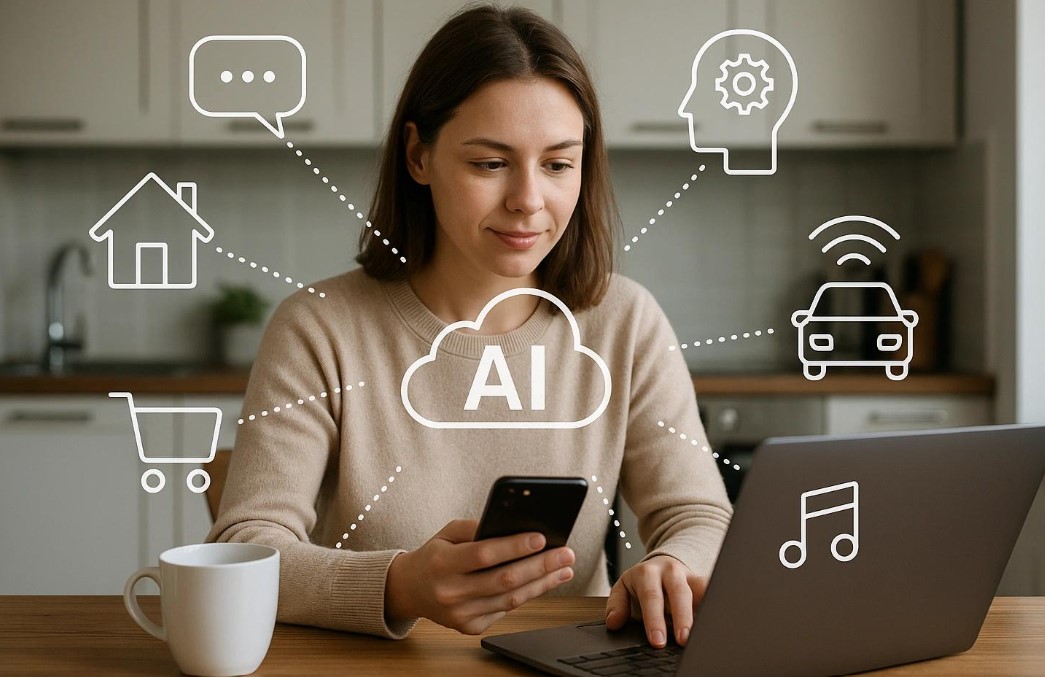
Artificial Intelligence is one of the biggest technology developments in recent years. AI tools can help people write content, generate images, analyze information, and complete everyday tasks.
Businesses are also using AI to improve customer service, automate repetitive work, and make better decisions.
Popular AI applications include ChatGPT, Google Gemini, and Microsoft Copilot.
In the coming years, AI is expected to become an important part of education, healthcare, software development, and business operations.
2. Cybersecurity Is More Important Than Ever
As more people use online banking, shopping websites, and digital services, cybersecurity has become essential.
Cybercriminals use techniques such as phishing, malware, and identity theft to target individuals and businesses.
Some important cybersecurity practices include:
- Use strong and unique passwords.
- Enable two-factor authentication.
- Avoid suspicious email links.
- Keep software and devices updated.
- Use trusted security applications.
Cybersecurity knowledge is becoming increasingly valuable for both individuals and organizations.
3. Cloud Computing Is Changing Businesses
Cloud computing allows people and businesses to store data and access software through the internet instead of depending entirely on local computers.
Services such as Google Cloud, Microsoft Azure, and Amazon Web Services provide cloud infrastructure for organizations.
Some major benefits include flexible storage, remote access, scalability, and reduced hardware requirements.
Cloud computing is also helping businesses support remote teams and manage digital operations more efficiently.
4. 5G Technology Is Improving Connectivity
5G is the fifth generation of mobile network technology. It offers the potential for faster internet speeds, lower latency, and better connectivity compared with earlier network generations.
It supports applications such as smart devices, connected vehicles, industrial automation, and high-quality video streaming.
As 5G networks expand, users and businesses can benefit from improved digital communication and connectivity.
5. The Internet of Things Is Connecting Everyday Devices
The Internet of Things (IoT) refers to physical devices connected to the internet that can collect and exchange data.
Examples include smart watches, home security cameras, smart televisions, and connected home appliances.
IoT technology can help people monitor devices remotely and automate everyday activities.
Businesses also use connected sensors to monitor equipment, manage inventory, and improve operational efficiency.
6. Blockchain Technology Is Growing Beyond Cryptocurrency
Blockchain is a digital record-keeping technology that stores information across a distributed network.
Although blockchain is widely associated with cryptocurrencies, it also has potential applications in supply chain management, digital identity, and record verification.
Its distributed structure can help improve transparency and traceability in suitable applications.
However, blockchain is not the right solution for every business problem, and implementation requires careful planning.
7. Virtual Reality and Augmented Reality Are Expanding
Virtual Reality (VR) and Augmented Reality (AR) are changing the way people interact with digital information.
VR creates immersive digital environments, while AR adds digital elements to the real-world view.
These technologies are being explored in gaming, education, healthcare training, architecture, and product demonstrations.
For example, customers can use AR applications to preview furniture in their homes before purchasing it.
8. Robotics and Automation Are Improving Productivity
Robotics and automation are helping businesses complete repetitive and complex tasks.
Factories use industrial robots for manufacturing, packaging, and quality inspection. Warehouses use automated systems to organize and move products.
Modern robots can also use AI to recognize objects and respond to their surroundings.
Automation can improve productivity, although businesses must consider costs, worker training, and safety.
9. Green Technology Is Supporting Sustainability
Green technology focuses on reducing environmental impact through efficient products, systems, and processes.
Examples include solar energy, electric vehicles, energy-efficient buildings, and smart electricity management.
Solar power is becoming an important renewable energy source for homes and businesses.
Technology can help monitor energy consumption, reduce waste, and support a more sustainable future.
10. Edge Computing Is Reducing Data Processing Delays
Edge computing processes data closer to where it is generated instead of sending everything to a distant cloud data centre.
This can reduce delays and improve performance for applications that need quick responses.
Examples include connected vehicles, smart factories, industrial monitoring, and Internet of Things devices.
Edge computing and cloud computing can work together to support modern digital services.
How Can You Prepare for the Future of Technology?
Understanding technology trends can help you make better career and business decisions.
Here are some practical steps:
- Learn basic Artificial Intelligence tools.
- Improve your cybersecurity knowledge.
- Understand cloud computing fundamentals.
- Develop digital and problem-solving skills.
- Follow reliable technology news and updates.
- Explore practical courses and certifications.
Conclusion
Technology will continue to transform our lives in 2026 and beyond. Artificial Intelligence, cybersecurity, cloud computing, 5G, robotics, and green technology are creating new opportunities for individuals and businesses.
Learning about these developments can help you stay informed and prepare for future changes.
Keep exploring new technologies, improve your digital skills, and follow TechBlogPost.com for more technology guides, useful tips, and updates.